Quality down to the last sip
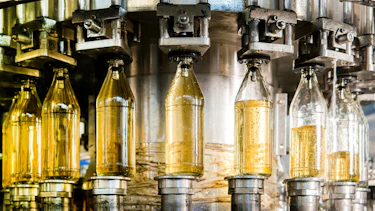
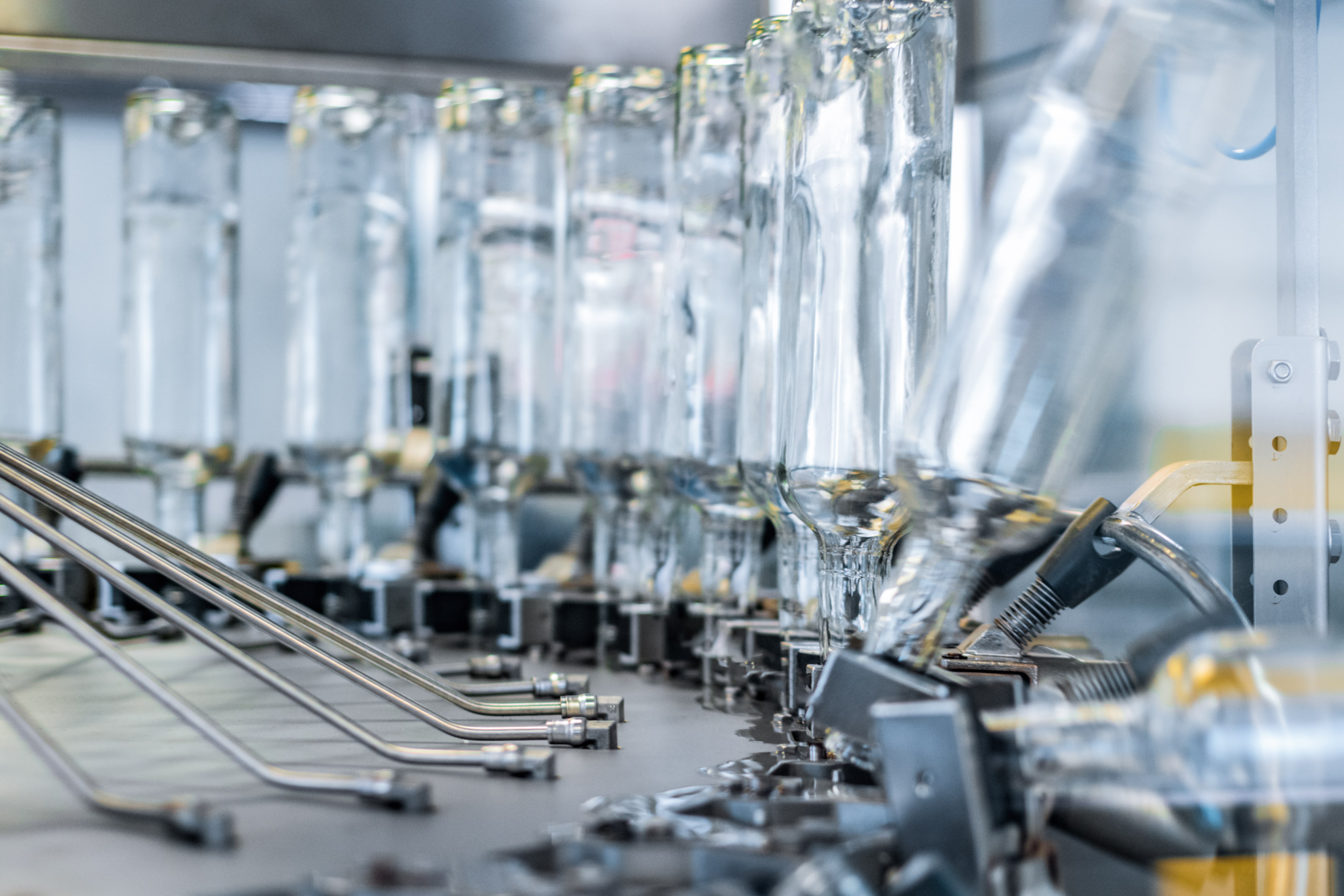
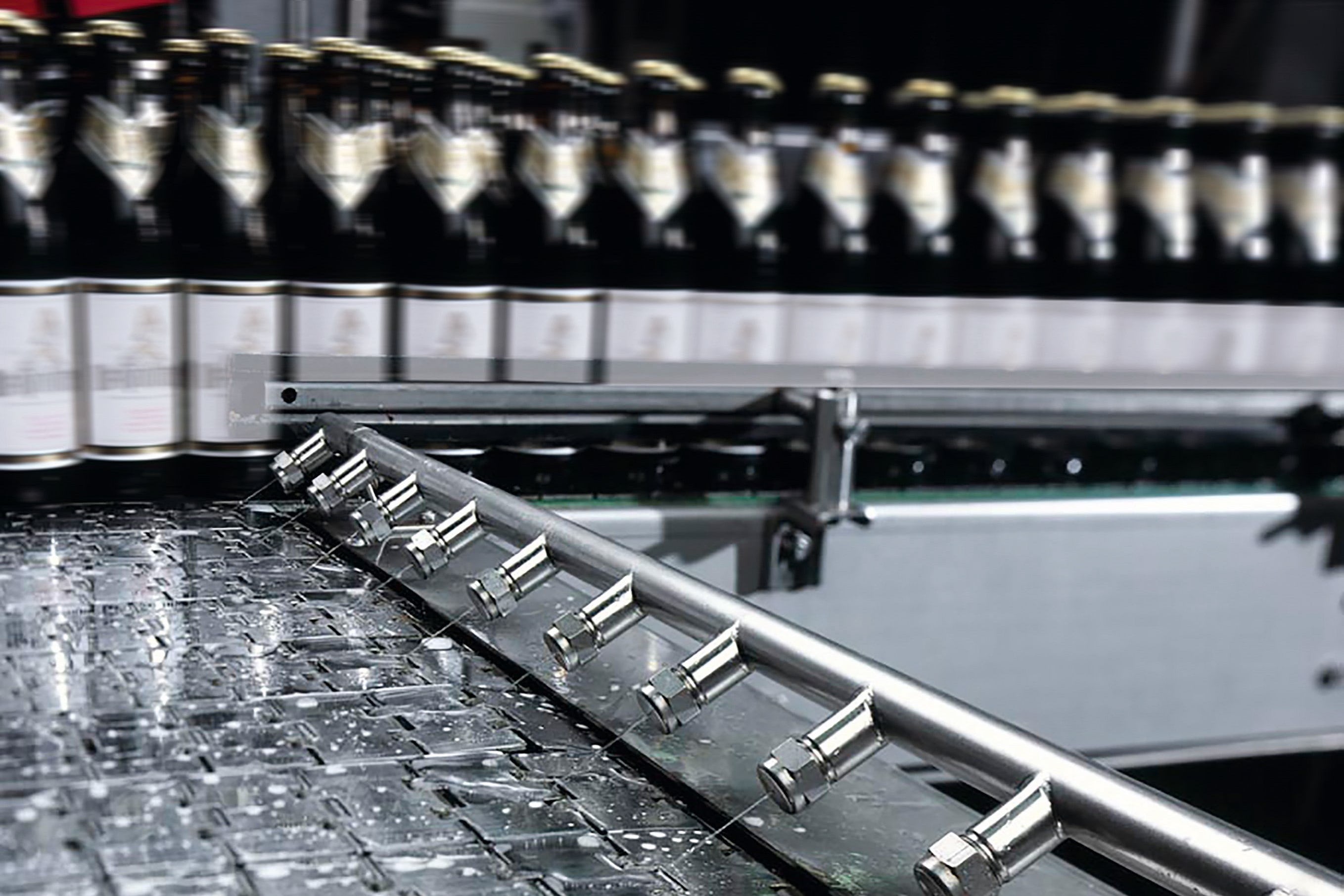
Without industrial hygiene, there would be no such thing as high-quality products. Clean bottling lines prevent impurities to keep the flavour of your beverage crystal-clear.
As experts in the field, we know all about the challenges faced by mineral springs operators, fruit juice producers and wineries. We have the right cleaning solution for every size of business, from micro breweries to high-volume operations.
We will help you implement and optimise your hygiene measures so that you can use our products sustainably and economically, and maintain your high quality standards for years to come.


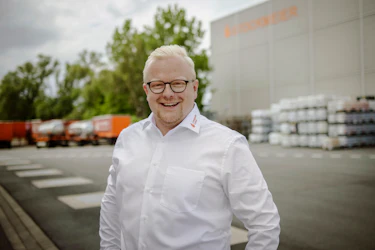
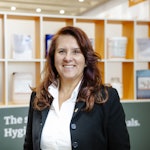
As a trained master brewer and a graduate of the famous Dömens Academy, I am a passionate beer enthusiast. At STOCKMEIER, I have the honour of looking after our customers all over the world and sharing my knowledge with the top experts in my field. Together, we ensure that the beer always tastes good, wherever you are.
Master BrewerFAQ
Brewing and beverage industry
Beverage companies have complex production processes governed by strict food safety requirements. These questions may sound familiar to you:
How do I remove tough and sticky hop resin in the brew house?
These slightly burnt organic residues can push some cleaning agents to their limits. If letting the agent soak in for longer and using stronger mechanics don’t work, we use additives. These improve cleaning performance and remove soiling from surfaces thoroughly and gently.
Why is resource consumption so high for CIP cleaning processes?
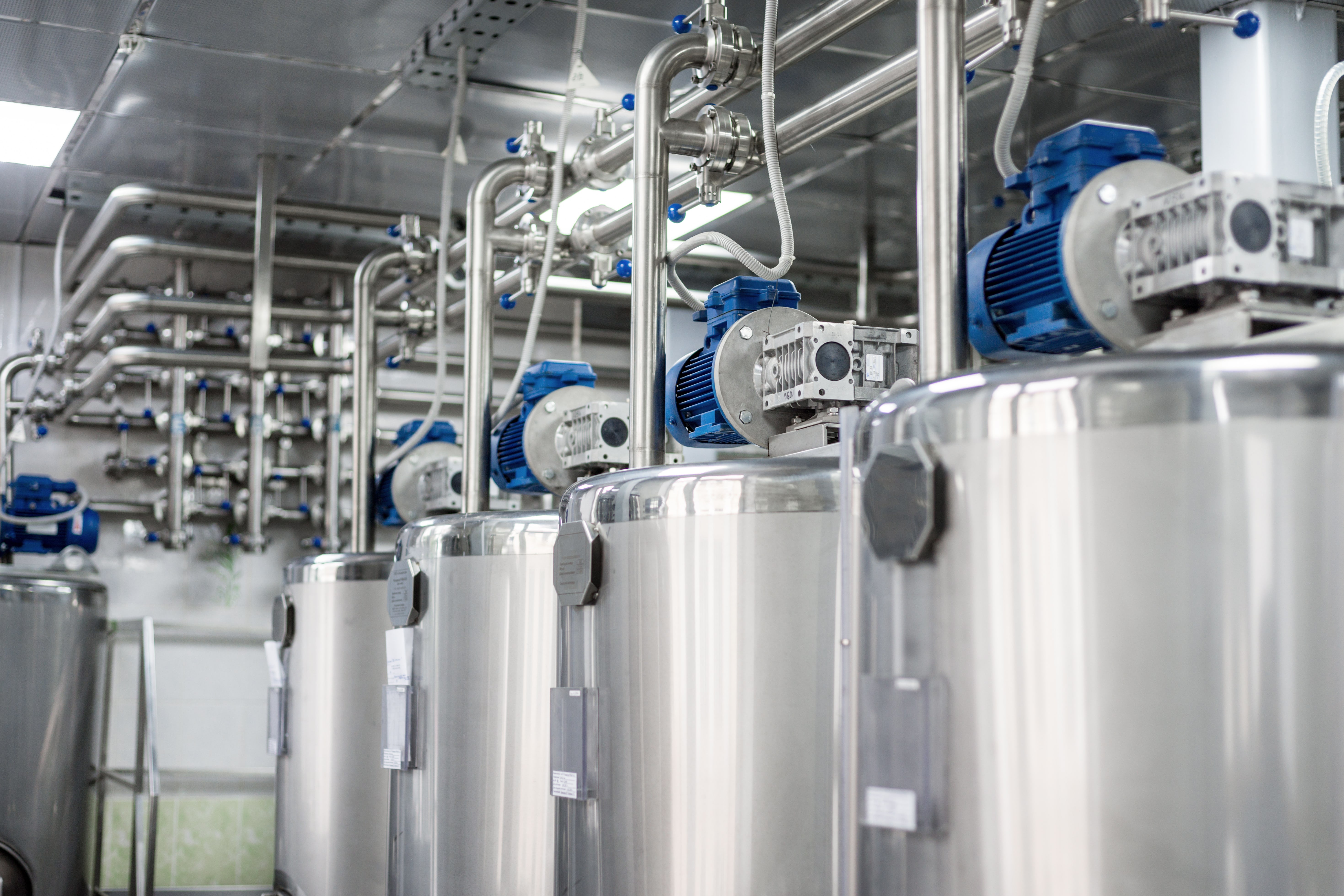
The cleaning result is achieved using a combination of time, water, energy and chemicals. We use our CIP check and the latest analysis technology to work out which parameters you can optimise and adapt your cleaning concept accordingly.
Why do I have residual odours in my preparation tanks and bottling lines?
Aromatic compounds require special attention during the cleaning process in order to be broken down properly. When our review of the CIP concept is complete, we can often find a solution that doesn’t require you to change products. If the residual odours are metabolic products of microorganisms, a product change may be necessary.
Why is there still some label residue left on the bottles after cleaning?
Petrification and incrustation of caustic and water zones shortens the service life of the system and increases maintenance costs. We will help you choose the right sequestering agents and adjust your water zones accordingly. Of course, we also take alkaline and water filtration into account.
How can I reduce wear and maintenance on my conveyor belts?
In warm and humid climates, organic deposits can build up between the chain links and in the line systems of wet-lubricated conveyor belts - especially during longer production downtimes. Our application technicians will check your system on site and recommend suitable cleaning products.
I always clean and disinfect my system properly. Why does the hygiene plan still occasionally find pockets of germs?
Dirt particles that stick to the system can bind both microorganisms and other dirt particles to it. This creates the dreaded “biofilm”, which is extremely resistant to cleaning. We will review your hygiene plan together with you and provide products from our enzymatic range to help you.
I live in Languedoc, France’s largest wine-growing region. In order to stimulate the palate and the senses, wine needs to be produced cleanly. With my expertise, I can help winemakers and cellar masters produce good wines.
Application Consultant for Hygiene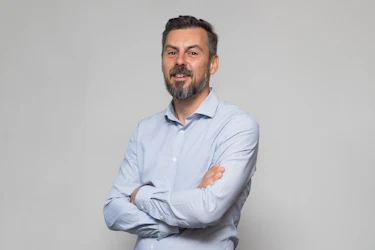
FAQ
Wine industry
Are you an oenologist, cellar master or winemaker? If so, then you’ve probably already spent some time considering the following questions:
How can I prevent off-flavours and wine faults such as Brettanomyces (“Brett”)?
The targeted elimination of certain yeast fungi can be challenging. Good cellar hygiene can prevent undesirable yeasts from getting into your wine. Thorough cleaning of the barrels to avoid cross-contamination is important, together with regular maintenance cleaning.
Which cleaning agents can help to avoid cork defects?
What is known as the “cork taste” is caused by TCA (trichloroanisole). This occurs when substances containing chlorine come into contact with the phenol contained in the natural cork. As such, chlorine-free products should be used for work in wine cellars. We offer a wide range of products that are also suitable for organic viticulture.
How can I reduce water consumption when rinsing?
Using a conductivity meter offers considerable benefits. This device measures the conductivity of your rinsing water throughout the entire process in order to determine the optimum rinsing time for your system. We will help you set up the right parameters so you can save up to 40% on water.
What alternatives are there to disinfection with chlorine?
Hydrogen peroxide is the most commonly used alternative. It can be used alone or in combination with caustic soda. A powdered enzymatic product with active oxygen can also be used.
How can I gently clean sensitive wooden barrels?
An enzymatic cleaner should be used for cleaning wooden barrels. BASO® BIONIL® PER breaks down and dissolves tartar deposits. It also effectively removes rust and limescale deposits, as well as fining residues. It can also be used to clean pipes, filters and tanks using the soaking or re-circulation method.
How do I disinfect hard-to-reach areas in my wine cellar?
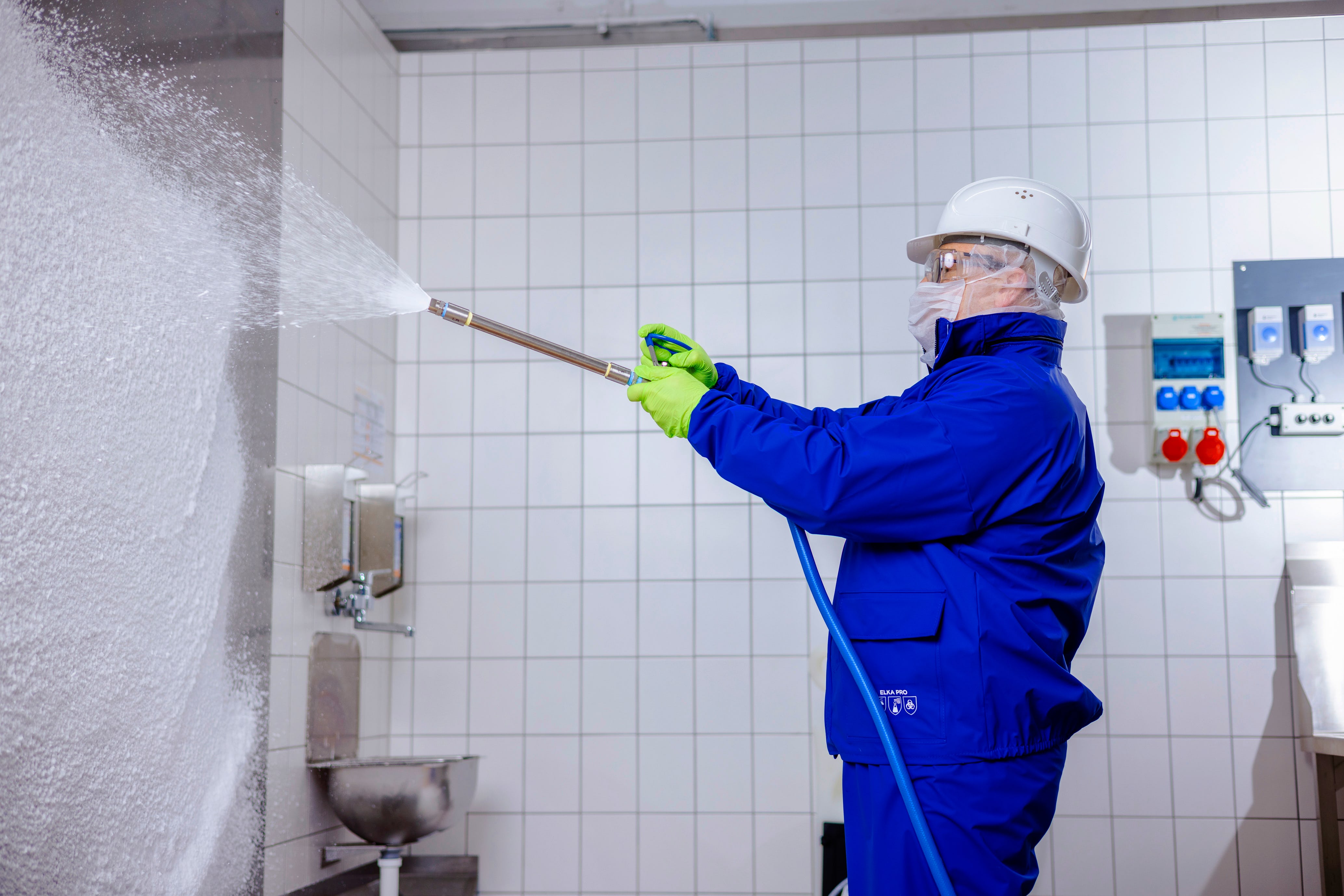
Wine cellars often contain a lot of nooks and crannies that are difficult to access (dead spaces). Fogging hydrogen peroxide enables you to reach and disinfect all your surfaces. This treatment is sufficient for intermittent disinfection. It saves water and time, as the surfaces do not need to be rinsed with water afterwards.
How do I find the right cleaner for my fermentation tanks?
The best cleaning concept for you depends on the materials used in your cellar. Most winemakers work with stainless steel or wooden containers. Other containers, such as the concrete egg or the amphora, are now also in widespread use. For high-volume operation, it is easier to rely on standardised product ranges. We can give you a recommendation after an on-site inspection.
Product range
- Leraderm® Care & Protect RC MANO BILLES RC MANO SOLV Leraderm® Sensitive RC MANO SOFT Lerasept® HD RC MANO SEPT Lerasept® HR ARVO 21 SR GEL
- Lerapur® 268 Lerapur® 283 Lerapur® C 178 BASO DETARTE LIQUIDE Lerapur® CIP LF BASO DETARTROXY Lerapur® CIP 119 BASO NETAL
- Leracid® 169 Leracid® 169-P Leracid® 207 Leracid® KMS BASO AC 250 Leracid® TS BASO AC 400 FROM
- Lerades® CIP 601 ARVO FORCE Lerasept® Special LF INDAL OXY MS BASO VITI ARVO NEP + INDAL PB
- Leraflow® 110 BASO MF 12 Leraflow® 130 BASO MF 24 Leraflow® 210 BASO MF 20 CL Leraflow® 220 BASO MF BIONIL 1 Leraflow® 230 BASO MF BIONIL ADD 3 Leraflow® 240 BASO MF 53 AC Leraflow® 310 BASO BIONIL Per BASO MF 6
- Leraplex® 32 RF BASO SDS Leraplex® 63 BASO PSP Leraplex® liquid INDAL KWS Leraplex® KRD BASO PLUS
- Leratens® BSM TA plus Leratens® BSM-S BASO LUBE E
- Lerasept® FP 408 INDAL MTA Lerasept® L 420 INDAL MTA, ARVO BACTAM Lerades® CM 401 ARVO BACTAM, ARVO BACTYL Lerasept® Active INDAL OXY MOUSS, ARVO BACTER, INDAL DAP MOUSS
- INDAL OXY DVA
- Lerades® CSR 501 ARVO CHLOR LIQUIDE Lerapur® RS ARVO CLM 300 Lerapur® ASR ARVO CLM 600 Lerasept® AC ARVO SW DDm, INDAL OXY MOUSS BASO AFM 300 SP
- Leracid® AL 202 BASO ACM 450 PS Leracid® RSC 215 BASO RENOV Leracid® 288 SR BASO ACM 450 PS Lerasept® Special SR 415 BASO ACM 200
- ARVO BIONIL 600 BASO BIONIL PREFOAM BASO BIONIL 210
Clean performance, clear benefits
- Fast provision of the right process chemicals
- Thorough CIP check to improve cleaning results
- Comprehensive consulting on plant construction and audits
- Visual inspections to monitor operational hygiene
- Clear storage instructions to ensure high occupational health and safety standards in chemical warehouses
- Efficient maintenance and servicing of bottling technology
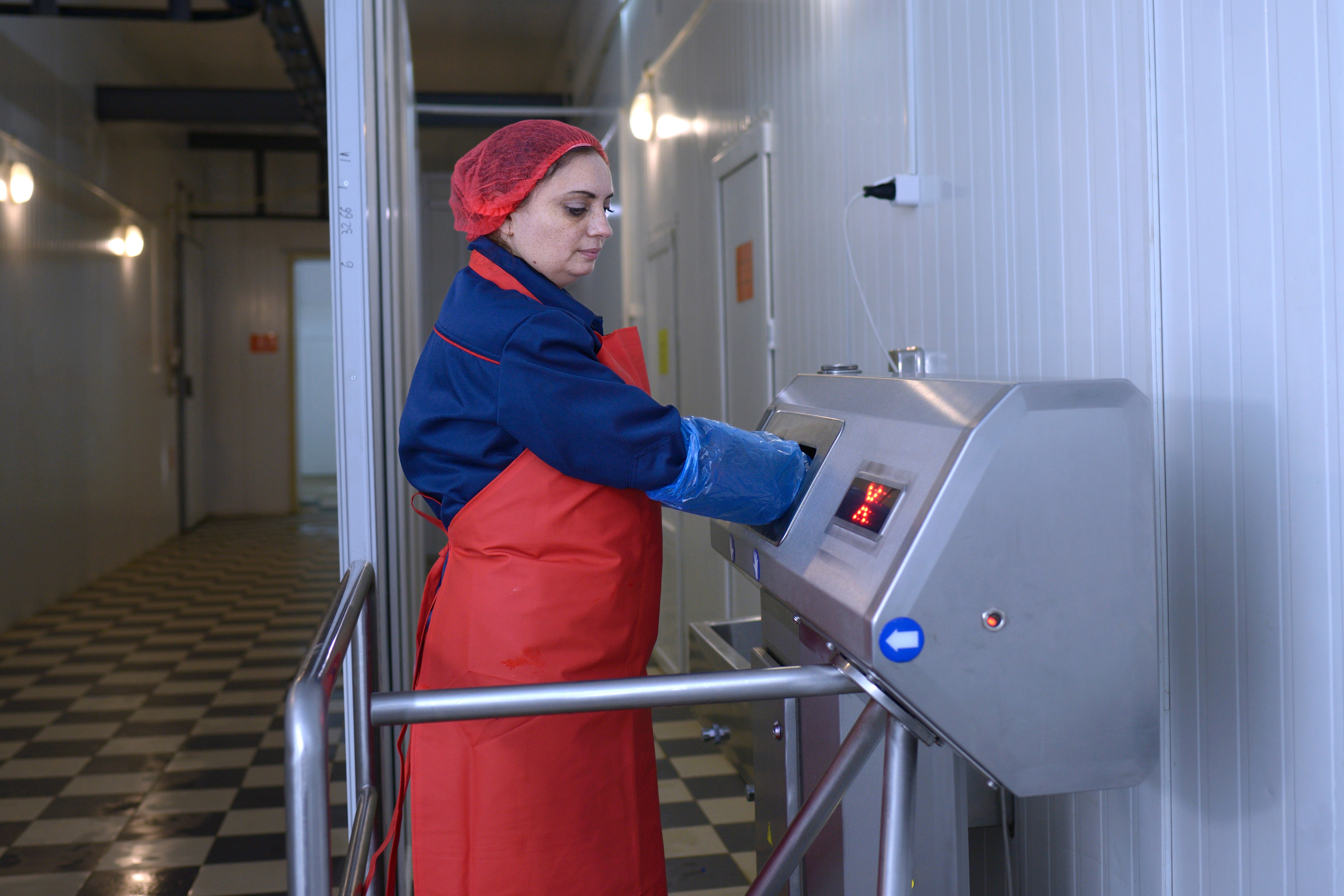
- General and specialised training courses (handling cleaning and disinfection, personal hygiene, Sections 42 & 43 of the German Infection Prevention Act (IfSG), DIN 10514)
Service & Support
Our Experts in Europe